

In this collection · TMJ & Jaw Pain
EMFACE for TMJ & Jaw Pain
Condition the muscles. Support the joint.
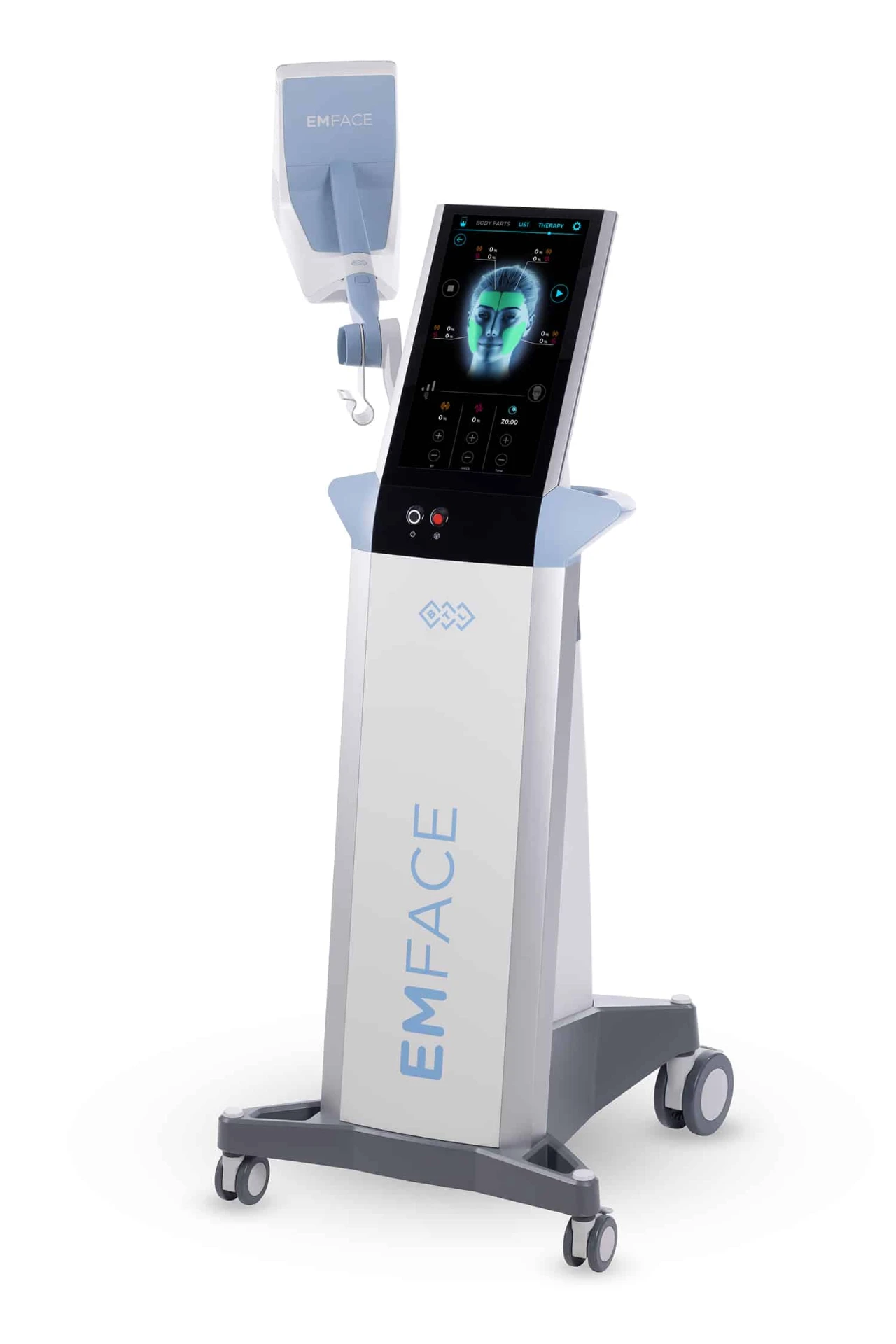
EMFACE® uses electrical stimulation to exercise and tone muscles — considered here for jaw and facial muscle function, not for appearance. For selected patients, muscle conditioning may support comfort as one part of conservative TMJ care.
Read this first
This page is about function, not appearance.
EMFACE is more widely known as an aesthetic treatment. In a TMJ context the question is different: whether conditioning the jaw and facial muscles may support comfort for a particular patient.
The aesthetic conversation
In a facial aesthetics context, EMFACE is discussed in terms of facial tone and appearance. That is a legitimate use, and it is not what this page is about.
The functional conversation
Here, the interest is the muscle layer that does the work of chewing, clenching and holding tension — and whether conditioning that layer may support comfort for selected TMJ patients.
Why muscles matter
Much of what people feel as jaw pain is muscle.
- The muscles that close and move the jaw work all day, and for some people, all night
- Sustained clenching or bracing loads muscle before it loads the joint
- Muscle tension is often what patients actually feel — soreness, tightness, fatigue
- Facial and temple tension frequently travels with jaw symptoms
- Treating only the teeth can leave the muscle pattern unaddressed
How it works
Non-invasive, hands-free, muscle-directed.
01
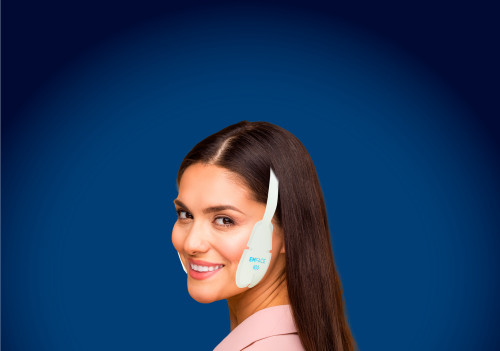
Applicators rest on the face
Nothing is injected and nothing is cut. Applicators sit against the skin over the regions being addressed.
02
Energy engages the muscle layer
The device delivers energy intended to stimulate the underlying facial muscles, alongside gentle warming of the tissue.
03
Conditioning, not force
The intent in this context is muscle conditioning and tone — not stretching, forcing, or repositioning the jaw.
04
Response guides the plan
What changes, and what does not, informs whether this continues as part of your care.
Who may be a candidate
Signs that muscle may be part of the picture.
- Jaw and facial muscle soreness or fatigue
- Temple tension that accompanies jaw symptoms
- Clenching or grinding patterns identified at evaluation
- Muscle tightness alongside orthotic or other conservative care
- Facial tension that has not responded to appliance therapy alone
- A preference for non-injectable, non-surgical options
Who it is not for
Where this is the wrong answer.
- Anyone expecting a cure for a TMJ disorder
- Patients whose findings point primarily to joint structure rather than muscle
- Patients with certain implanted devices or other contraindications
- Anyone who has not been properly evaluated first
- Situations where a medical or surgical referral is the right next step
Two different conversations
Same technology, different question.
EMFACE in a functional context
Muscle conditioning
- Interest is jaw and facial muscle function
- Discussed alongside conservative TMJ care
- Non-injectable and non-surgical
- Considered for selected patients only
- Outcomes described in terms of comfort and function
EMFACE in an aesthetic context
Facial tone and appearance
- Interest is how the face looks
- Discussed within facial aesthetics care
- Also non-injectable and non-surgical
- Goals and expectations are cosmetic
- A different conversation, with different measures
If your interest is facial tone and appearance rather than jaw comfort, the aesthetic EMFACE page is the right place to start.
Combination care
One component, not the whole plan.
TMJ Orthotics & Splints
Where an orthotic is supporting jaw position, muscle conditioning may be discussed alongside it for selected patients.
Explore TMJ Orthotics & Splints →Laser & PBM Therapy
A low-level, non-cutting therapy sometimes considered where muscle and joint comfort are part of the picture.
Explore Laser & PBM Therapy →Myofunctional Therapy
Retraining resting posture and function addresses the patterns that load the muscles in the first place.
Explore Myofunctional Therapy →Cranial & Manual Therapy
Gentle hands-on work for jaw, head and neck tension, considered for selected patients. Joint injections and PRF are discussed individually where appropriate.
Explore Cranial & Manual Therapy →The process
How care actually proceeds.
01
Evaluation
Muscles, joint, movement, habits and history reviewed before anything is recommended.
02
A plan that fits you
If EMFACE is a sensible component, we explain what it may and may not do in your situation.
03
Sessions
Comfortable, hands-free and non-invasive. Your schedule is determined clinically — see the note below.
04
Reassessment
An honest review of what changed. If it is not helping, we say so and adjust.
Questions
Questions about EMFACE for TMJ.
Is this the same EMFACE used for facial aesthetics?
Is this a cosmetic treatment?
Does it hurt?
Are needles involved?
How many sessions will I need?
Is there downtime?
How soon might I notice a difference?
Can it be combined with an orthotic?
Is it safe for everyone?
Does it move or reposition my jaw?
Do I still need my other TMJ treatment?
How do I find out whether it makes sense for me?
Clinically reviewed by Dr. Brittany Johansen. This page is general education, not a diagnosis or a treatment plan.
We see patients at our Alpine, Utah office, including families from Highland, Cedar Hills, American Fork, Lehi and across Utah County.
Related care
Where to go from here.
TMJ & Jaw Pain
The wider picture of conservative, non-surgical jaw care.
Explore TMJ & Jaw Pain Care →TMJ Orthotics & Splints
How a custom orthotic differs from a simple nightguard, and who may be a candidate.
Explore TMJ Orthotics →Laser & PBM Therapy
A low-level, non-cutting therapy considered for muscle and joint comfort.
Explore Laser & PBM Therapy →Book a consultation
A consultation in Alpine, Utah gives you a clear read on what is driving your jaw symptoms — and whether muscle conditioning belongs in your plan at all.