
Alpine Airway Wellness
In this collection

Children’s Early & Functional Orthodontics

Straight teeth are one goal. Healthy growth is another.

Early and functional orthodontics looks at how a child’s jaws, bite and oral function are developing — while growth is still happening. Sometimes that leads to treatment. Often it leads to watching carefully, with a clear reason.
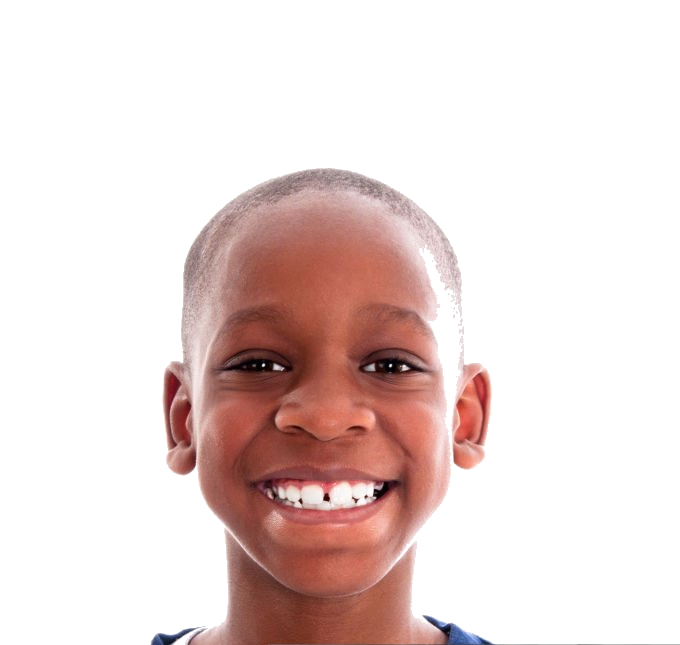
A smiling child in a navy shirt

Why Timing Matters

Growth is the part you can’t revisit later.

Teeth can be aligned at almost any age. Jaw and facial development, by contrast, happens on its own schedule during childhood. That is the reason we look earlier — not to treat sooner, but to understand sooner.

Understanding early keeps options open. It also means we can recommend waiting with actual reasoning behind it, instead of by default.

Plain Language

What these terms actually mean.

Early orthodontics
Looking at a child's bite and jaw development while growth is still happening, rather than waiting until all the permanent teeth have arrived.
Functional orthodontics
Considering how the mouth works — tongue posture, lip seal, chewing and swallowing — alongside how the teeth line up.
Traditional braces
Straightening teeth once they are in place. Alignment is a real and worthwhile goal; it simply answers a different question than growth does.
What early care is not
It is not a guarantee that braces will never be needed, and it is not appropriate for every child. Some children are best served by watching and waiting.

What Prompts a Look

Observations worth mentioning.

None of these is a diagnosis. Each is simply a reasonable reason to have a child evaluated rather than assume it will sort itself out.

  • Crowding as permanent teeth come in
  • A narrow upper arch or high palate
  • Crossbite, deep bite or open bite
  • Teeth that do not meet evenly when biting
  • A jaw that shifts to one side when closing
  • Lips apart at rest, or habitual mouth breathing
  • Tongue posture, swallowing or chewing patterns worth a closer look
  • Thumb, finger or pacifier habits that have persisted
Illustrated evaluation checklist on a clipboard with a magnifying glass and botanical accents

Our Evaluation

Six things we look at together.

Arch width & shape
How much room the upper and lower arches provide for teeth and for the tongue.
Bite relationship
How the upper and lower teeth meet, and whether the jaw shifts to find that position.
Eruption pattern
Which teeth have arrived, which are on the way, and whether there is room for them.
Oral function
Tongue posture, lip seal, swallowing and chewing patterns, and any lingering oral habits.
Facial growth
Balance and proportion of the developing face and jaws, viewed over time.
Comfort & habits
Signs of clenching, grinding, jaw soreness or wear that are worth tracking.

Stages, Not Ages

Children arrive at each stage differently.

We describe development in stages rather than in years, because the same age can look very different from one child to the next.

  1. Primary teeth

    Mostly observation. We note arch development, habits and function, and record a baseline we can compare against later.

  2. Mixed dentition

    Baby and permanent teeth together. This is often when arch development and eruption patterns become easier to read.

  3. Later development

    Most permanent teeth present. Alignment goals become clearer, and comprehensive orthodontics is often the appropriate conversation.

Possible Approaches

What care may involve.

These are options that may be appropriate for some children, depending on findings. None of them is automatic, and none is right for everyone.

Monitoring over time

Often the right answer. Growth records reviewed at intervals tell us more than a single snapshot ever could.

How We Evaluate Children

Myofunctional therapy

Support for tongue posture, lip seal and swallowing patterns, which often accompany orthodontic care rather than replace it.

Learn About Myofunctional Therapy

Habit support

Working with families on persistent oral habits when they are influencing how the arches are developing.

Children's Airway & Growth

Guided eruption & space management

Considering how and where permanent teeth are arriving, and whether space needs to be preserved or created.

Growth & Expansion

Comprehensive orthodontics later

Early care and later alignment are not competing choices. For many children, both play a role at different stages.

Functional Orthodontics

What to Expect

An unhurried first visit.

  1. Conversation

    What you've noticed, and what brought you in.

  2. History

    Dental and health history, and any providers already involved.

  3. Clinical exam

    Arches, bite, eruption, oral function and facial balance.

  4. Records

    Photographs, and imaging when clinically indicated.

  5. Findings

    What we see, explained in plain language, with the uncertainty included.

  6. Next step

    Monitoring, treatment, referral — or a combination.

Watchful Care

Sometimes the recommendation is to wait — on purpose.

Being seen early does not mean starting treatment early. For many children we take records, explain what we see, and plan to look again as growth continues.

That is not a non-answer. It is a deliberate choice to let development provide information that no single appointment can.

Collaborative Care

We work alongside your child’s other providers.

Depending on findings, that may include your general dentist, orthodontist, pediatrician, ENT, sleep physician, myofunctional therapist, speech or feeding professionals, and bodywork or manual therapy providers.

Our Collaborative Approach →
PHYSICIANSENTSORTHODONTISTSMYOFUNCTIONAL THERAPISTSSPEECH & FEEDING PROFESSIONALSOTHER CARE PROVIDERSALPINEAIRWAYWELLNESS

Common Questions

Questions parents ask us.

What is functional orthodontics?
It is orthodontic care that considers how the mouth functions — tongue posture, lip seal, chewing and swallowing — alongside how the teeth are aligned. It is an approach and an emphasis, not a separate specialty or a guaranteed alternative to braces.
At what age should my child be evaluated?
There is no single right age for every child. Evaluation is generally useful once permanent teeth begin arriving, or earlier if a parent or dentist notices something. What matters more than a number is having a baseline while growth is still underway.
Does early treatment mean my child won't need braces later?
No. Early care and comprehensive orthodontics address different things. Many children who receive early care still benefit from alignment treatment later, and we do not promise otherwise.
Will treatment be recommended at the first visit?
Not necessarily. Monitoring is a legitimate and common recommendation. We suggest treatment when the findings support it, not because a child was seen.
How long does treatment take?
It depends entirely on the individual findings, the goals and how a child grows. We discuss expected scope and review it as care progresses rather than quoting a standard timeline.
Is this the same as braces?
No. Braces move teeth into alignment. Early and functional orthodontics looks at arch development, bite relationships and oral function during growth. The two can be complementary.
Can orthodontic care treat my child's breathing or sleep problems?
Breathing and sleep conditions are medical diagnoses made by physicians. We can evaluate dental and craniofacial factors and coordinate with your child's pediatrician, ENT or sleep provider — but orthodontic care is not a treatment for a medical diagnosis we have not made.
Do you work with our regular dentist or orthodontist?
Yes. We coordinate with your child's general dentist, orthodontist, myofunctional therapist, physician and other providers when that helps keep care consistent.
What if we decide to wait?
That is a reasonable choice in many situations. If waiting is appropriate, we will say so, and we can keep records so a later decision has more to work from.

Clinically reviewed by Dr. Brittany Johansen. This page is general education, not a diagnosis or a treatment plan.

We see patients at our Alpine, Utah office, including families from Highland, Cedar Hills, American Fork, Lehi and across Utah County.

Serving Alpine & Utah County

Start with an evaluation.

If you’re noticing crowding, an uneven bite, or the way your child breathes and rests their mouth, a consultation at our Alpine, Utah office is a good place to understand what’s happening and what — if anything — to do next.

Request an Appointment